

Q1 2026 Social Media Trends in Credit Repair: What Furnishers Should Watch

Q1 2026 Social Media Trends in Credit Repair: What Furnishers Should Watch

Will York April 16, 2026
Metro 2 Intro Section

What consumers are seeing on TikTok and YouTube may matter more than the content itself. The bigger issue is that AI is making credit repair advice easier to package, repeat, and apply, which may influence dispute activity in 2026.

Earlier this month, we published our review of FCRA litigation trends in Q1 2026, which examined how litigation activity, complaint handling changes, and broader regulatory developments shaped the first quarter. This update looks at a related issue from a different angle: what consumers are seeing on social media about credit repair, AI, and credit score improvement, and why that may matter for furnishers.

We reviewed recent YouTube and TikTok content to see which types of credit-related advice are gaining traction and how the conversation is evolving. The broader theme is familiar: social media continues to promote fast, simplified approaches to credit repair. What stands out in Q1 is how often creators now present AI as a practical tool for reviewing credit reports, identifying potential errors, generating disputes, and moving faster.

For furnishers, that matters because the issue is no longer just consumer awareness. The growing availability of repeatable, AI-assisted workflows may lead to more templated disputes, faster challenge cycles, and greater pressure on operations teams to respond efficiently and accurately.

Key Takeaways

  • AI is becoming a more visible part of credit-repair content, especially in videos that frame it as a shortcut for reviewing reports, spotting issues, and generating next-step actions.
  • The bigger risk is standardization. As AI-assisted tactics become easier to share and replicate, furnishers may see more consumers approach disputes with similar language, similar expectations, and faster timelines.
  • Not all content points in the same direction. Some higher-engagement videos still promote fast-fix tactics, while others emphasize more grounded advice such as paying down debt and reducing balances. That mix makes it harder to predict how consumer behavior will evolve — but it reinforces the need for stronger monitoring of credit reporting accuracy.

How AI Supports More Consistent Dispute Classification and Execution

See how AI-assisted review can support more consistent dispute handling while keeping human oversight central.

We do not sell or share your information.

What Changed

What Changed Since Our Last Social Media Review?

In our prior social media review, we highlighted growing discussion around dispute letters, credit-repair shortcuts, and the early use of AI in credit-related content. Q1 2026 suggests that this trend is becoming more explicit and more actionable. Rather than mentioning AI as a general concept, more recent content increasingly presents it as a hands-on tool consumers can use to analyze reports, organize disputes, and follow step-by-step processes.

That distinction matters. The shift is not simply that more creators are talking about AI. It is that they are framing AI as a practical way to do work that once felt more specialized or manual. For furnishers, that may increase the likelihood of more standardized behavior and make it more important to identify issues before they surface through rising disputes.

YouTube Trends Section
YouTube Trends

What Consumers Are Seeing on YouTube

YouTube continues to host longer-form credit content focused on score improvement, credit repair, and AI-assisted analysis. Two recent videos illustrate the direction of the trend.

Click any image to open the video on YouTube
Thumbnail for AI is Ending Credit Repair! It’s Game Over for Credit Repair Companies! Watch on YouTube
Video 1

AI is Ending Credit Repair! It’s Game Over for Credit Repair Companies!

This video presents AI as a faster, lower-cost alternative to traditional credit repair services. The people in the video say that AI can review a credit report, identify items such as collections, charge-offs, late payments, repossessions, bankruptcies, student loans, and personal-information issues, and then help build a dispute plan.

The significance for furnishers is not the headline itself. It is the framing: AI is being positioned as an easy, consumer-facing shortcut to analyze reported data and prepare next steps quickly.
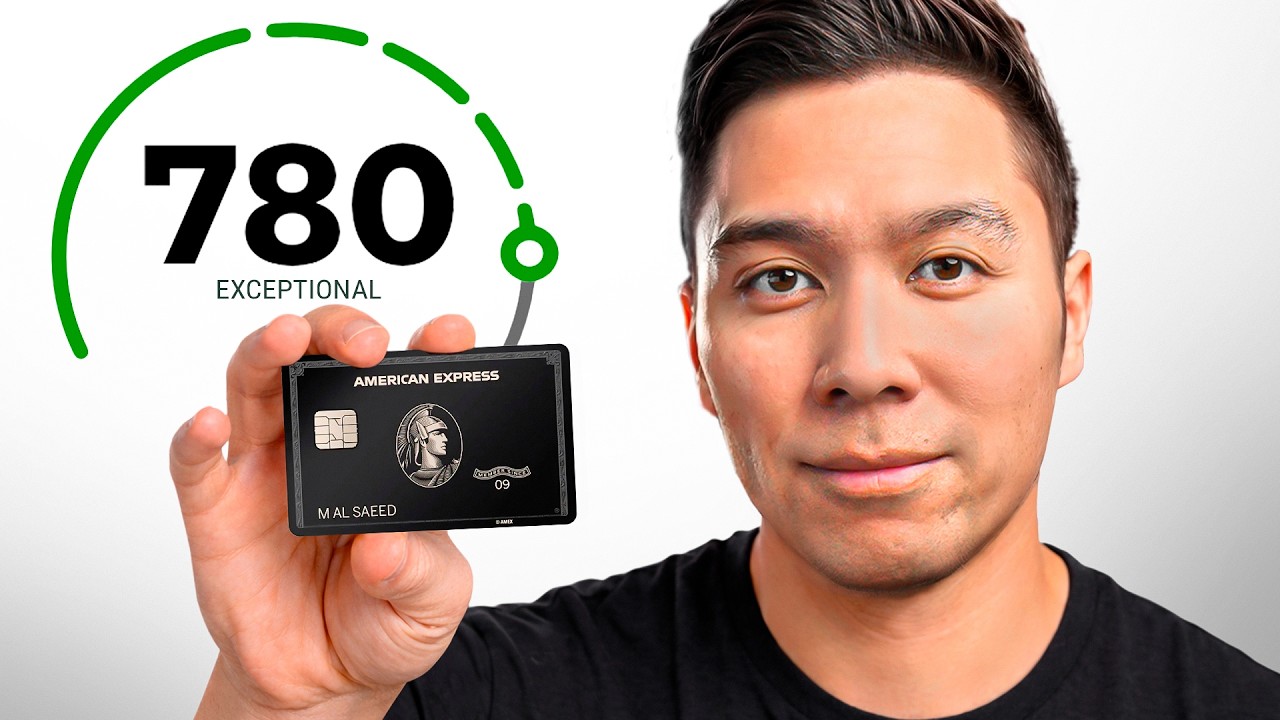
Thumbnail for BEST & WORST Ways to Increase Your Credit Score (2026) Watch on YouTube
Video 2

BEST & WORST Ways to Increase Your Credit Score (2026)

This video takes a broader credit-improvement angle and ranks common score-building tactics. The listing emphasizes actions such as reducing utilization, adding an authorized user, removing hard inquiries, and carrying a small balance, while also distinguishing between approaches presented as more effective and those framed as mistakes.

Content like this shows that social media is not just driving disputes, it is also shaping how consumers think about what should change on a credit report and how quickly a score should respond. That can influence expectations even when the advice is not framed explicitly as dispute guidance.

TikTok Trends Section
TikTok Trends

What Consumers Are Seeing on TikTok

TikTok remains an important channel for short-form credit content, and in Q1 one recurring pattern stood out: creators positioning generative AI tools as a way to “fix” credit using consumer-law prompts and report uploads.

Click any image to open the video on TikTok
Fix your Credit in 2026 using ChatGPT?
Watch on TikTok

“Fix your Credit in 2026 using ChatGPT?”

In this video, the creator says ChatGPT can be used to “fix credit using consumer laws” by giving it a full credit report. The post presents ChatGPT as doing much of the work after the user enters the prompt, and the engagement levels cited in the outline were significant, including more than 55,000 likes, 41,000 bookmarks, and 22,000 shares.

This kind of engagement shows that the message is continuing to reach consumers. When AI tools are framed as dispute shortcuts and the content is easy to save, share, and copy, the result may be broader adoption of similar tactics and more standardized challenge behavior.

The Easiest Way to Fix Your Credit
Watch on TikTok

The Easiest Way to Fix Your Credit

Most of the other videos reviewed over the last three months followed a similar pattern, with creators promoting services or tactics presented as fast ways to improve credit scores. At the same time, some content is taking a different approached and emphasizing that the most effective path to score improvement is often paying down debt and reducing balances, rather than relying on quick-fix strategies.

This mix is important because, although quick-fix strategies will likely remain highly visible, creators who share more practical and responsible approaches to credit improvement are starting to gain some traction in TikTok’s algorithm as well.

Why It Matters

Why This Matters for Furnishers

The larger issue is not any single creator or any single video. It is the growing availability of content that shows consumers how to approach credit repair using similar prompts, similar expectations for speed.

As more consumers are exposed to AI-assisted credit-repair tactics, furnishers may see:

  • More templated or standardized dispute language, especially where AI tools are used to organize or generate responses.
  • Higher operational pressure if dispute activity rises or becomes more repetitive at scale.
  • Greater sensitivity to reporting accuracy, because issues may be surfaced and challenged more quickly once consumers are shown easier ways to analyze their reports.
  • A need for earlier visibility into data issues, rather than waiting for disputes to reveal them.

This is one reason the broader Q1 environment matters. Litigation remained elevated, and changes to complaint and dispute visibility may cause risk to surface earlier in different parts of the process. Social media and AI-driven consumer behavior will continue to add another layer of pressure by influencing how quickly and how often reported data is challenged.

Practical Response

A Practical Response: Monitor Accuracy Earlier

If AI-assisted credit repair content is making dispute activity faster, more standardized, or more difficult to manage, the practical response is not to focus on the content itself. It is to strengthen the ability to identify reporting issues earlier, before they lead to avoidable disputes, operational strain, or compliance risk.

The Data Quality Scanner helps teams evaluate credit reporting data earlier in the process so they can identify issues sooner, reduce avoidable disputes, and strengthen oversight across the credit reporting lifecycle. For furnishers looking to stay ahead of rising dispute pressure, that visibility becomes even more important as AI tools make consumer challenge behavior easier to scale.

Conclusion

Q1 2026 social media activity shows a clear trend: AI is increasingly being presented as an accessible way to review credit reports, identify issues, and organize disputes or credit-improvement actions.

For furnishers, the main takeaway is straightforward. As AI-assisted credit-repair content becomes easier to share and replicate, the value of strong data-quality monitoring increases. Teams that can identify issues earlier will be better positioned to reduce avoidable disputes, manage operational pressure, and strengthen compliance efforts in a faster-moving environment.

See How AI-Assisted Review Can Support More Consistent Dispute Classification and Execution

Review how AI-assisted support can help teams improve consistency, prioritization, and next-step execution while keeping human oversight central.

What You Can Evaluate
  • How AI-assisted review can support more consistent dispute classification
  • How teams can improve prioritization and execution consistency
  • How clearer next-step guidance can support handling discipline
  • How human-controlled review remains central to the decision process*

*Designed to support a phased adoption path that may include controlled automated handling for narrowly defined dispute populations under approved governance.

Start the Conversation

Share your information to discuss product fit, governance considerations, and next steps.

For qualified institutions evaluating pilot fit.

We do not sell or share your information.

Related Resources